13 Oct, 2022
Cities changing shape
Urban shifts have led to the emergence of the ‘megacity’ - a city with a population of over 10 million people. But the narrative around cities has become a little bit more complex than just megacities...
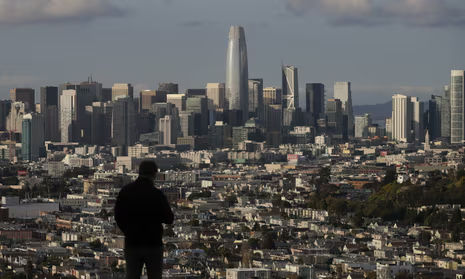
Cities have become the focus of the future of our planet.
Cities shape the way we live through influencing the global economy, international relations and the way people move at scale and there is already a recognition of the importance of cities stated in major international frameworks - such as the UN Sustainable Development Goals (SDGs).
Urban shifts have led to the emergence of the ‘megacity’ - a city with a population of over 10 million people. But the narrative around cities has become a little bit more complex than just megacities. McKinsey’s Global Institute estimates that the key drivers of global economic growth will actually continue to be the 577 “middleweight-cities” - characterised by rapid-growth, they are cities with populations of between 150,000 and 10 million - where a majority of urbanisation is already taking place.
New urban centres are changing the existing geographies of power in ways that create a ripple affect for all other cities, particularly the more prominent global cities. Take for example, the influence of Doha on the development of London’s real estate and infrastructure through over £10 million of investment which includes assets such as Harrods. the Savoy hotel and the Shard.
Urbanisation is changing in response to geopolitical shifts and is being materialised by mega-projects and initiatives like China’s Belt and Road Initiative (BRI). Referred to as the New Silk Road, the vision includes creation of a network of rail, energy and highway infrastructure as well as streamlined border crossings in the region. The project would see development and investment stretch from the Far East to Europe - accelerating urbanisation and expanding China’s economic and political influence along the way.
Inter-city relations and dependencies are becoming of greater significance which is creating critical infrastructure for a more global economy, new types of politics and different cultural spaces. Cities, their leaders and urban change-makers will play a key role in assessing what urban futures we may be facing, the role of cities in more dynamic international relations and the threats and opportunities to ensure a more sustainable future.